

Pre-Existing Condition Argument
Insurers claim the structural weakness that caused the collapse pre-dated the policy or the loss event — shifting responsibility to the policyholder. We document the causal timeline to refute this.
Collapse is one of the claim types where insurers have the most room to maneuver — because coverage depends so heavily on policy language and timing. Here's what they do, and how we respond.
Insurers claim the structural weakness that caused the collapse pre-dated the policy or the loss event — shifting responsibility to the policyholder. We document the causal timeline to refute this.
If there's any sign of wear or aging, insurers call it a maintenance issue rather than a covered collapse. We distinguish between deferred maintenance and a covered peril as the proximate cause.
Many insurers argue that only abrupt, total structural failure qualifies as a covered collapse — excluding imminent collapse, partial failure, or structural instability that led to the event.
Insurers scope only the physically collapsed area — missing water intrusion, interior damage, contents loss, and the full structural cascade that a professional inspection would reveal.
Insurer-approved contractors frequently underbid structural repairs to limit payouts. We obtain independent estimates that reflect the true cost of returning the structure to pre-loss condition.
Rebuilding a collapsed structure often requires compliance with current building codes — a covered cost in most policies that insurers frequently fail to include in their estimates.
Industry Insights
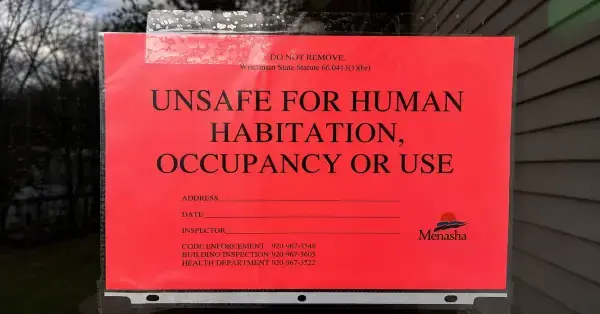
After a tornado or severe storm, learn what red, yellow, and green placards mean, what to do next, and how they may affect your insurance claim.
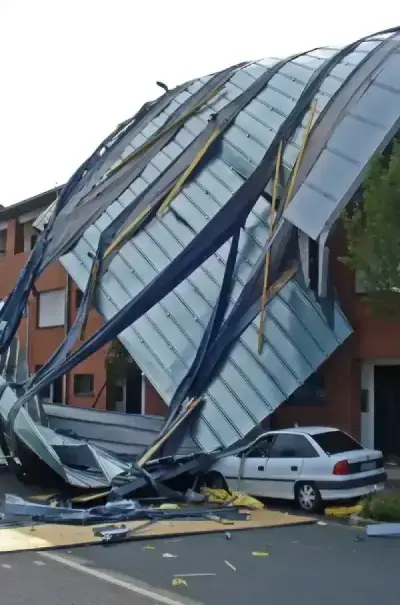
A confirmed tornado hit Menasha, Appleton on July 27, 2026. Miller Public Adjusters helping local homeowners document damage and fight lowball settlements.
Insurance documents are often filled with confusing jargon. Our free glossary explains important terms in simple, plain language — helping you understand your p…
When a fire, tornado, or other covered loss destroys your home, you're expected to list everything you owned -including its age, condition, and value. Our free …

Learn how buildings are built, damaged, and rebuilt to better assess and calculate the full value of your property loss.
A licensed public adjuster helps you deal with your insurance company and fights for a fair payout. Choose the...

Free Claim Review
Start with a free review — we'll dig into your claim, explain your options, and let you know if and how we can help. No obligation, no pressure.


