
You Survived The Tornado. Now Let's Make Sure Your Insurance Claim Holds Up Too
On Monday, July 27, 2026, a confirmed tornado tore through Menasha and Appleton, with damage also reported in Neenah, Oshkosh, and surrounding Winnebago, Outagamie, and Calumet county communities. Miller Public Adjusters is based right here in Appleton, and we're already helping neighbors document damage and push back on lowball settlements.
- EF-3 Preliminary NEWS rating
- 30,000+ Customers without power
- 111–135 mph Estimated peak winds
- No Fatalities Reported as of Tuesday
Emergency Resources Right Now
If you're in an affected neighborhood, safety comes first, your claim comes second. Here's where to go for immediate help.
Report power outages
Boil Water Order
City-wide curfew
Road closures & travel advisory
Shelter & disaster relief
County emergency management
Your Insurance Claim
What To Know Right Now
Tornado and wind damage is generally covered under a standard homeowners or commercial property policy, but how the claim is scoped in the first two weeks often determines what you actually get paid. Here's how the process typically works.
-
01
Document everything before anything is touched or repaired
Photograph and video every room, the roof, siding, fences, outbuildings, and any damaged personal property before tarping, boarding up, or cleanup begins. Insurers weigh their own initial inspection heavily, so your own record matters.
-
02
Report the claim, but be careful what you say
File the claim promptly with your carrier. Stick to the facts of what happened, don't speculate about cause, extent, or cost, and don't accept a verbal estimate as final.
-
03
Get an independent damage assessment
Insurance company adjusters work for the insurer, not you. A public adjuster or licensed contractor can identify damage the carrier's adjuster may minimize or miss, including hidden structural and water intrusion damage.
-
04
Review the settlement offer before signing anything
Initial offers are frequently based on repair rather than full replacement, and may not include code-upgrade costs, debris removal, or additional living expenses if your home is uninhabitable. You are not required to accept the first number.
-
05
Know your deductible
Many Wisconsin policies apply a separate, often percentage-based, wind or hail deductible rather than your standard flat deductible. Ask your carrier which deductible applies to a tornado claim specifically, this can change your payout by thousands of dollars.
What To Do — And What To Avoid
The actions you take in the hours and days after a hailstorm significantly shape your claim. Here's what Miller recommends.
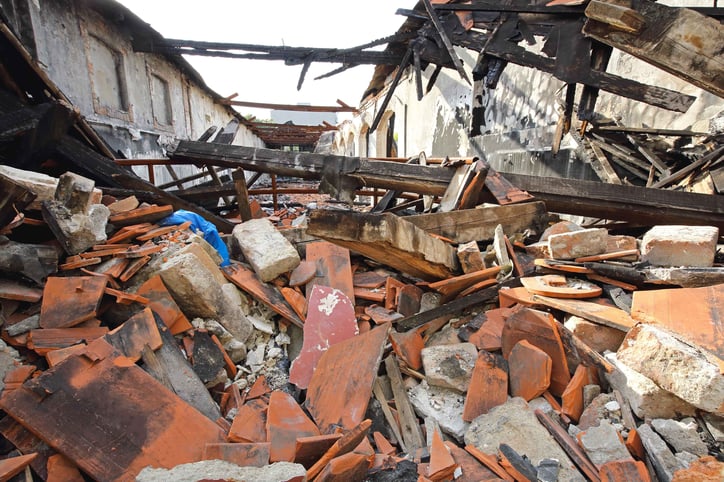
Do This
- Photograph damage before any cleanup or repair
- Keep receipts for temporary repairs, lodging, and meals
- Get everything from your insurer in writing
- Ask about additional living expense (ALE) coverage if displaced
- Get a second, independent damage estimate
Avoid These Mistakes
- Don't sign a contractor agreement on the spot
- Don't throw away damaged items before they're documented
- Don't accept a same-day cash settlement without review
- Don't assume "cosmetic" damage isn't covered
- Don't give a recorded statement without preparation
Helpful Reading For Storm Claims
The actions you take in the hours and days after a hailstorm significantly shape your claim. Here's what Miller recommends.
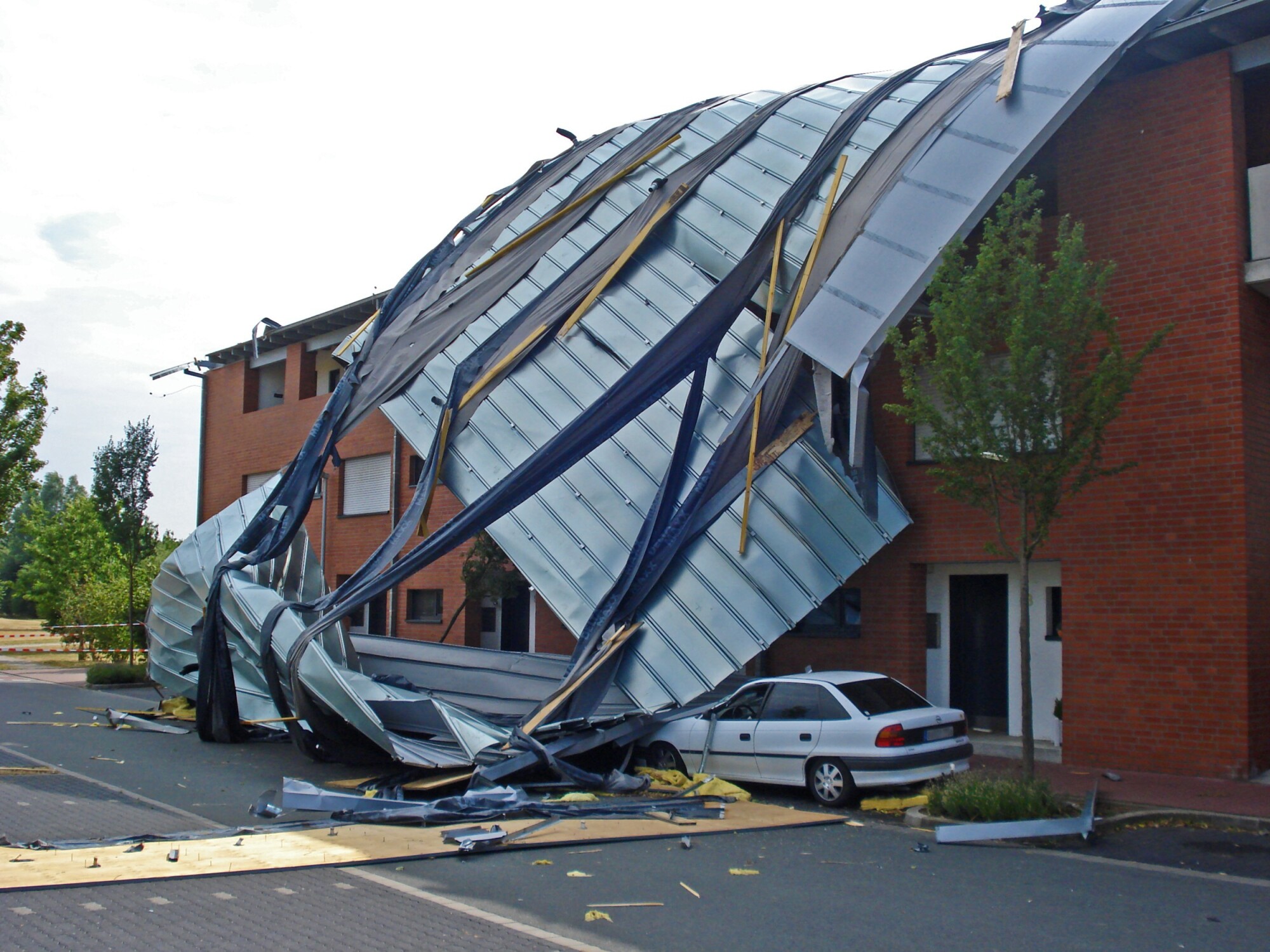
When is Coverage Triggered for a Roof Collapse?
Roof collapse is a gradual process rather than a single event, and coverage depends on your policy and state legal precedent. Knowing when your insurer considers collapse "triggered" is essential.
Understanding What Your Wisconsin Home Insurance Policy Doesn't Cover
Wisconsin homeowners often don't realize their coverage limitations until filing a claim. This guide explores common exclusions — flood, earthquake, and wear-and-tear — that leave gaps.
Hurricane Irma Proof of Loss
The critical Proof of Loss form outlines filing deadlines and documentation needs after a major storm — and why independent estimates from qualified contractors or public adjusters matter.
Watch For Storm Chasers
After major storms, out-of-area contractors and "storm chasers" often go door to door in hard-hit neighborhoods offering fast repairs. Get at least one local, licensed estimate before signing anything, and be wary of anyone asking you to sign over your insurance claim or pressuring you to decide immediately.
Free Claim Review
Don’t Fight Your Insurance Company Alone.
Start with a free review — we'll dig into your claim, explain your options, and let you know if and how we can help. No obligation, no pressure.