Negligence denial — "lack of heat"
When a pipe freezes because heat wasn't maintained in the building, insurers deny the claim as policyholder negligence. We establish what temperature was maintained and challenge negligence arguments with evidence.
Ice/freeze Damage
Frozen pipes, ice dams, and snow-loaded roofs cause some of the most damaging and disputed claims of the year. Midwest winters are relentless — and insurance companies are ready with a standard set of denials. We know every one of them.
Midwest winters rarely cause just one type of damage. A single cold event can burst pipes, collapse a roof, and trigger mold growth — all at once. We know how to document and claim each component separately and completely.
When pipes freeze and burst, thousands of gallons of water can flow through your property in hours. Water damage to drywall, flooring, ceilings, and contents is typically covered — but the pipe itself usually isn't. Knowing the distinction matters.
Ice dams form at roof edges when snow melts and refreezes — forcing water under shingles and into ceilings, walls, and insulation. Coverage depends heavily on your specific policy wording, and insurers fight these claims aggressively.
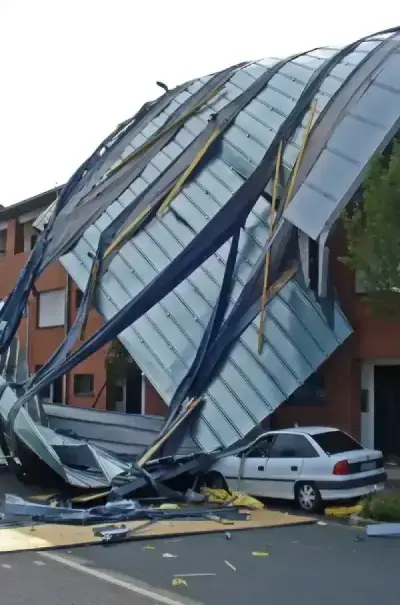
Heavy snow and ice accumulation can exceed a roof's design load, causing partial or total collapse. These claims are covered in most policies but require expert documentation of the causal relationship between ice/snow weight and structural failure.
Water trapped in walls and insulation from a burst pipe or ice dam creates ideal mold conditions. Mold showing up weeks after a winter water event is a direct consequence of the covered loss — and fully claimable if handled correctly.
Cold weather drives greater use of fireplaces, space heaters, and overloaded electrical systems — increasing winter fire risk significantly. These are fully covered fire losses that benefit from the same thorough documentation approach as any fire claim.
HVAC systems, sprinkler lines, boilers, and outdoor equipment that freeze and fail in winter are often covered losses. Whether damage is covered depends on the cause and your policy — we know what to look for.
Identify and document the specific cause of each winter loss component
Scope all water damage from burst pipes — visible and hidden
Document ice dam damage to roof, deck, sheathing, walls, and ceilings
Establish snow/ice load as the cause of structural or roof collapse
Tie mold directly to the covered winter water event
Track additional living expenses during displacement
Obtain independent contractor estimates to counter insurer lowballs
Negotiate directly with your insurer through final settlement
This is one of the most misunderstood aspects of freeze claims. Your homeowner or commercial policy typically covers the water damage caused by a burst pipe — drywall, flooring, ceilings, contents — but not the cost to repair or replace the pipe that broke. Understanding this distinction upfront avoids surprises and helps us build your claim correctly from day one.
Fill out the form below and one of our claim specialists will contact you shortly.
We respect your privacy. Your information is never shared or sold.
We are excited to get started and figure out how we can help. Someone will reach out to you to discuss your loss and determine the next steps in how we can assist with your Free Claim Review!
Winter damage claims are among the most denial-prone in the industry. Insurers have a well-worn set of arguments — here's what we counter every time.
When a pipe freezes because heat wasn't maintained in the building, insurers deny the claim as policyholder negligence. We establish what temperature was maintained and challenge negligence arguments with evidence.
Insurers claim the pipe was already leaking before it froze — converting a covered sudden loss into an excluded gradual leak. We document the timeline and establish the freeze event as the cause.
Some policies exclude ice dam damage or limit it severely. Others cover it fully. The difference is in the exact policy wording — and which interpretation your state's courts favor. We analyze both and build accordingly.
Mold that develops after a covered winter water event is part of that claim. Insurers try to classify it as a separate, excluded maintenance issue. We trace the mold directly to the covered loss and fight the denial.
When a roof collapses under snow or ice load, insurers argue the roof was already weakened by neglected maintenance. We establish the snow/ice weight as the direct cause and counter the maintenance argument with documentation.
Water from burst pipes and ice dams travels into wall cavities, under flooring, and through insulation. A quick insurer inspection catches only surface damage. We use moisture meters to find everything.
Coverage for winter damage depends heavily on the specific cause, your policy wording, and how well the loss is documented. Here's how each type is typically treated.
Water damage resulting from a sudden frozen pipe burst is generally covered. Heat must have been maintained in the building. The pipe repair itself is not covered — only the resulting damage.
Many homeowner policies cover interior damage from ice dam water intrusion — but the language varies significantly. Some policies exclude it entirely or sub-limit the coverage. Policy analysis is essential.
Roof and structural collapse caused by the weight of snow or ice is a covered peril in most standard policies. The cause-of-loss documentation is critical — and where insurers push back hardest.
Mold resulting from a covered winter water loss should be part of the same claim. Insurers routinely attempt to deny or sub-limit it. We document the causal connection and fight for full remediation coverage.
A pipe that was already leaking and then froze, or a roof that had prior damage, may be denied as a pre-existing condition or excluded gradual loss. The timeline of events is everything in these cases.
The burst pipe, cracked fitting, or failed equipment itself is typically not covered — only the resulting damage. This is one of the most misunderstood aspects of freeze claims and one we clarify upfront.
Winter damage claims are time-sensitive. Acting quickly — and correctly — protects both your property and your claim. Here's Miller's guidance.
Industry Insights
Insurance documents are often filled with confusing jargon. Our free glossary explains important terms in simple, plain language — helping you understand your p…
Download
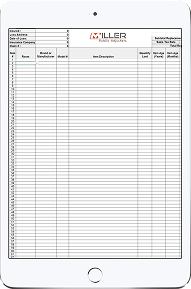
When a fire, tornado, or other covered loss destroys your home, you're expected to list everything you owned -including its age, condition, and value. Our free …

DownloadAdditional living expenses add up fast when severe property damage forces you from your home. Use our free ALE Tracker to identify every eligible expense, recor…
Download
The first six months after a house fire are the most critical - and the most overwhelming. Decisions made during this window will largely determine the settleme…
Download
When fire damages your home, how well you recover hinges entirely on how successfully you settle your homeowners insurance claim. This free guide gives you the …
Download
The larger your loss, the more important it is to be proactive. This free guide teaches you exactly what it takes to get the most out of your homeowners or comm…
Download
Managing your own fire damage insurance claim means documenting everything, staying organized, and arming yourself with the evidence you need to prove the full …
Download
When a fire, storm, or other disaster damages your commercial property, your insurance claim gets complicated -fast. This free Field Guide helps you unravel the…
Download
Understanding buildings — how they're built, how they're damaged, and how they're rebuilt — is foundational to assessing and calculating the full value of a los…
A licensed public adjuster helps you deal with your insurance company and fights for a fair payout. Choose the...
Wondering how to maximize your insurance claim? Explore expert strategies to ensure full compensation and make every step count in achieving what you deserve.
Want the best claim results in Wisconsin? Find out how a public adjuster works tirelessly to guarantee you're compensated fully.
Confused by your insurance terms? Let a WI public adjuster help you make sense of it and ensure you understand every clause today.
What can a public insurance adjuster do for you in Wisconsin? Explore 8 critical problems they handle to ease your claims process.
Want to secure your claim in Wisconsin? Discover how a licensed public adjuster ensures proper documentation and enhances your claims process.
Anxious about your property damage insurance claim? Find out how a WI public adjuster can simplify the experience and assist you during this complex process.
Facing a denied roof claim after a storm? A public adjuster for roof claim can challenge denials and get the settlement you deserve.
Learn the distinct roles of public adjuster vs. independent adjuster. Equip yourself with knowledge to handle insurance claims!
Seeking fair insurance compensation? Discover how public adjuster services enhance your claim and ensure maximum payouts. Partner with us today!
Is your home insurance claim denied for late filing? Learn essential steps to contest and navigate challenges effectively. Take action now!
Is your insurer trying to avoid its contractual obligations? Discover the crucial role of Wisconsin public adjusters in bad faith insurance claims.
You must know exactly what's covered by your insurer to protect your business effectively. Get insights into Wisconsin business insurance here.
It's important to know what your Wisconsin home insurance doesn't cover. Learn about the most common types of property damage claims that are excluded.
Are you uncertain about filing your property damage claim in Wisconsin? Our guide offers expert advice to ensure you receive your rightful compensation..
The role of an insurance appraiser when invoking an appraisal clause is an important aspect of the insurance claim process. Find out more here.
Have you been asked to testify after an insurance claim? The obvious next question is, 'Do insurance companies usually pay out after an EUO?' Find out here.
When comparing actual cash value vs replacement cost in insurance, you must note several key differences. Learn which type of insurance offers better coverage.
See how public adjusters can be your greatest ally in securing top claim settlements. Dive into the unmatched advantages they offer today!
Free Claim Review
Start with a free review — we'll dig into your claim, explain your options, and let you know if and how we can help. No obligation, no pressure.