<img height="1" width="1" style="display:none" src="https://www.facebook.com/tr?id=799173596894770&amp;ev=PageView&amp;noscript=1">
freeze

Ice/freeze Damage

Winter Is Brutal On Buildings. Insurers Are Brutal On Claims.

Frozen pipes, ice dams, and snow-loaded roofs cause some of the most damaging and disputed claims of the year. Midwest winters are relentless — and insurance companies are ready with a standard set of denials. We know every one of them.

TYPES OF WINTER DAMAGE WE HANDLE

Freezing Temperatures Can Damage Your Property In More Ways Than One

Midwest winters rarely cause just one type of damage. A single cold event can burst pipes, collapse a roof, and trigger mold growth — all at once. We know how to document and claim each component separately and completely. 

  1. 01

    Frozen & Burst Pipes

    When pipes freeze and burst, thousands of gallons of water can flow through your property in hours. Water damage to drywall, flooring, ceilings, and contents is typically covered — but the pipe itself usually isn't. Knowing the distinction matters.

    Negligence Denials Are The #1 Tactic Here
  2. 02

    Ice Dam Damage

    Ice dams form at roof edges when snow melts and refreezes — forcing water under shingles and into ceilings, walls, and insulation. Coverage depends heavily on your specific policy wording, and insurers fight these claims aggressively.

    Coverage Is Policy-Dependent — We Analyze It
  3. 03

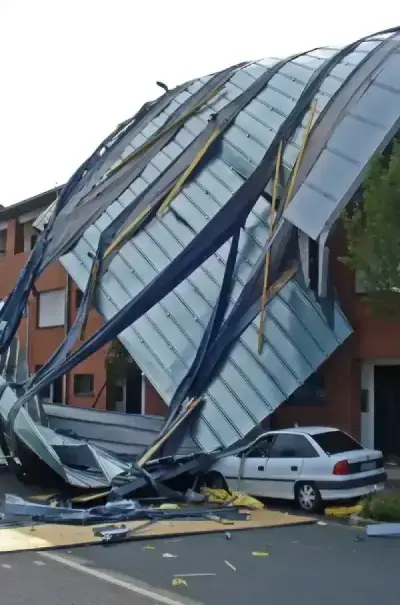
    Roof & Structural Collapse

    Heavy snow and ice accumulation can exceed a roof's design load, causing partial or total collapse. These claims are covered in most policies but require expert documentation of the causal relationship between ice/snow weight and structural failure.

    Pre-existing Condition Arguments Are Common
  4. 04

    Mold From Winter Water Damage

    Water trapped in walls and insulation from a burst pipe or ice dam creates ideal mold conditions. Mold showing up weeks after a winter water event is a direct consequence of the covered loss — and fully claimable if handled correctly.

    Insurers Try To Deny Mold As Separate
  5. 05

    Winter Heating Fires

    Cold weather drives greater use of fireplaces, space heaters, and overloaded electrical systems — increasing winter fire risk significantly. These are fully covered fire losses that benefit from the same thorough documentation approach as any fire claim.

    Smoke Damage Is Frequently Undervalued
  6. 06

    Equipment & Appliance Freeze Failure

    HVAC systems, sprinkler lines, boilers, and outdoor equipment that freeze and fail in winter are often covered losses. Whether damage is covered depends on the cause and your policy — we know what to look for.

    Maintenance exclusions frequently invoked
HOW WE HELP

How We Build Your Ice & Freeze Damage Claim

  • Identify and document the specific cause of each winter loss component

  • Scope all water damage from burst pipes — visible and hidden

  • Document ice dam damage to roof, deck, sheathing, walls, and ceilings

  • Establish snow/ice load as the cause of structural or roof collapse

  • Tie mold directly to the covered winter water event

  • Track additional living expenses during displacement

  • Obtain independent contractor estimates to counter insurer lowballs

  • Negotiate directly with your insurer through final settlement

A typical policy does NOT cover the burst pipe itself — only the resulting water damage

This is one of the most misunderstood aspects of freeze claims. Your homeowner or commercial policy typically covers the water damage caused by a burst pipe — drywall, flooring, ceilings, contents — but not the cost to repair or replace the pipe that broke. Understanding this distinction upfront avoids surprises and helps us build your claim correctly from day one.

KNOW THEIR PLAYBOOK

How Insurers Fight Ice & Freeze Claims

Winter damage claims are among the most denial-prone in the industry. Insurers have a well-worn set of arguments — here's what we counter every time.

  • Negligence denial — "lack of heat"

    When a pipe freezes because heat wasn't maintained in the building, insurers deny the claim as policyholder negligence. We establish what temperature was maintained and challenge negligence arguments with evidence.

  • Pre-existing leak argument

    Insurers claim the pipe was already leaking before it froze — converting a covered sudden loss into an excluded gradual leak. We document the timeline and establish the freeze event as the cause.

  • Excluding ice dam damage

    Some policies exclude ice dam damage or limit it severely. Others cover it fully. The difference is in the exact policy wording — and which interpretation your state's courts favor. We analyze both and build accordingly.

  • Denying mold as a separate loss

    Mold that develops after a covered winter water event is part of that claim. Insurers try to classify it as a separate, excluded maintenance issue. We trace the mold directly to the covered loss and fight the denial.

  • Blaming deferred maintenance on collapse

    When a roof collapses under snow or ice load, insurers argue the roof was already weakened by neglected maintenance. We establish the snow/ice weight as the direct cause and counter the maintenance argument with documentation.

  • Missing hidden water damage

    Water from burst pipes and ice dams travels into wall cavities, under flooring, and through insulation. A quick insurer inspection catches only surface damage. We use moisture meters to find everything.

WHAT'S TYPICALLY COVERED

Coverage By Winter Damage Type

Coverage for winter damage depends heavily on the specific cause, your policy wording, and how well the loss is documented. Here's how each type is typically treated.

  • Burst pipe water damage

    Water damage resulting from a sudden frozen pipe burst is generally covered. Heat must have been maintained in the building. The pipe repair itself is not covered — only the resulting damage.

    Generally covered
  • Ice dam interior damage

    Many homeowner policies cover interior damage from ice dam water intrusion — but the language varies significantly. Some policies exclude it entirely or sub-limit the coverage. Policy analysis is essential.

    Policy-dependent
  • Snow & ice weight collapse

    Roof and structural collapse caused by the weight of snow or ice is a covered peril in most standard policies. The cause-of-loss documentation is critical — and where insurers push back hardest.

    Covered — documentation critical
  • Mold from winter water damage

    Mold resulting from a covered winter water loss should be part of the same claim. Insurers routinely attempt to deny or sub-limit it. We document the causal connection and fight for full remediation coverage.

    Full Scope Often Underestimated
  • Gradual leaks & unresolved issues

    A pipe that was already leaking and then froze, or a roof that had prior damage, may be denied as a pre-existing condition or excluded gradual loss. The timeline of events is everything in these cases.

    Often excluded — we assess your facts
  • Pipe repair / equipment replacement

    The burst pipe, cracked fitting, or failed equipment itself is typically not covered — only the resulting damage. This is one of the most misunderstood aspects of freeze claims and one we clarify upfront.

    Not covered — resulting damage is
AFTER A WIND EVENT

What To Do — And What To Avoid

Winter damage claims are time-sensitive. Acting quickly — and correctly — protects both your property and your claim. Here's Miller's guidance.

Do This

  • Shut off the water service to the building at the main valve
  • Call your insurer and report the loss — get a claim number
  • Photograph and video all damage before any cleanup begins
  • Start the drying and mitigation process immediately — it's your duty under the policy
  • Keep all receipts for emergency repairs, mitigation, and drying services
  • Document the temperature the building was maintained at
  • Have a professional assess for hidden moisture inside walls and floors
  • Call Miller before signing any settlement or release

Avoid These Mistakes

  • Don't delay reporting — late reporting gives insurers grounds to question the loss
  • Don't allow major repairs before your insurer has assessed the damage
  • Don't ignore moisture in walls — hidden damage compounds quickly into mold
  • Don't accept a denial based on "lack of heat" without getting our opinion
  • Don't overlook the ice dam as part of your claim — even if it's secondary
  • Don't assume mold isn't covered — it often is when it stems from a covered loss
  • Don't sign anything with your insurer before talking to us first

Industry Insights

Get Our Latest Blog Updates

View all Resources
MPpa_Claim_bgimage MPpa_Claim_bgimage_mobile

Free Claim Review

Don’t Fight Your
Insurance Company Alone.

Start with a free review — we'll dig into your claim, explain your options, and let you know if and how we can help. No obligation, no pressure.

Free Claim Review