Ignoring Hidden Damage
Their adjuster does a visual walkthrough and misses everything inside walls and under floors. We use moisture meters and thermal cameras.
Water Damage
Water destroys more than what you can see. Hidden damage behind walls, under floors, and inside structures is routinely missed — or deliberately overlooked — by insurance adjusters. We find everything, document it all, and fight for your full settlement.
We do not handle FEMA flood claims at this time.
Like all professions, some public adjusters are better than others. A successful settlement is won on the policyholder's ability to prove just three things:
Water travels through wall cavities, under flooring, into insulation and structural framing. Surface-level inspections catch only a fraction of the true loss.
Moisture left behind causes mold, rot, and structural deterioration — often showing up weeks or months after the initial event and complicating coverage disputes.
What's covered depends heavily on the cause — sudden pipe burst vs. gradual leak vs. flooding each have very different policy treatment. We know which battles to fight.
Identify and document the source and cause of loss
Use moisture meters and thermal imaging to find hidden damage
Assess structural damage to walls, floors, ceilings, and framing
Document mold growth and required remediation scope
Inventory all damaged contents and personal property
Track additional living expenses if your home is uninhabitable
Calculate full replacement cost — not just what's visible
Negotiate directly with your insurer through final settlement
Fill out the form below and one of our claim specialists will contact you shortly.
We respect your privacy. Your information is never shared or sold.
We are excited to get started and figure out how we can help. Someone will reach out to you to discuss your loss and determine the next steps in how we can assist with your Free Claim Review!
Water damage is one of the most disputed claim types. Insurers have a standard set of tactics to reduce payouts — we've seen them all, and we know exactly how to counter each one.
Their adjuster does a visual walkthrough and misses everything inside walls and under floors. We use moisture meters and thermal cameras.
Insurers often attribute water damage to long-term leaks or maintenance neglect to trigger policy exclusions. We document the actual cause of loss.
Mold is a direct result of water damage — but insurers routinely try to classify it separately and deny or cap that portion of the claim.
Low-ball estimates for professional water extraction, drying, and remediation leave you paying out of pocket for proper restoration.
If water damage developed over time, insurers may deny it as a "maintenance issue." We analyze the policy and timeline to challenge these exclusions.
Settling at actual cash value — depreciated — rather than full replacement cost is a common tactic that can reduce payouts by thousands of dollars.
The cause of your water loss determines how your policy responds. We know the nuances of each — and how to build the strongest possible case for your specific situation.
Sudden pipe failures are typically covered — but insurers push back on scope. Common in Wisconsin and Illinois winters, freeze damage requires specialized documentation.
Ice dams form at roof edges and force water under shingles and into ceilings and walls. Coverage depends on your specific policy wording — we know what to look for.
Water heaters, washing machines, and dishwashers that fail suddenly are typically covered. Gradual leaks are often excluded — we help establish the timeline.
Sewer backup coverage is often a separate endorsement. Without it, you may not be covered — but with it, we help maximize your recovery.
Rain-driven water through damaged roofs, windows, or walls after a storm is typically covered under wind/storm damage — not flood. Knowing the difference matters.
Mold resulting from a covered water loss should be covered — but insurers fight this hard. We trace the mold to the covered event and document full remediation needs.
Industry Insights
Property damage to your home is stressful enough on its own. When you then have to negotiate an insurance settlement with your insurance company, the process ca…
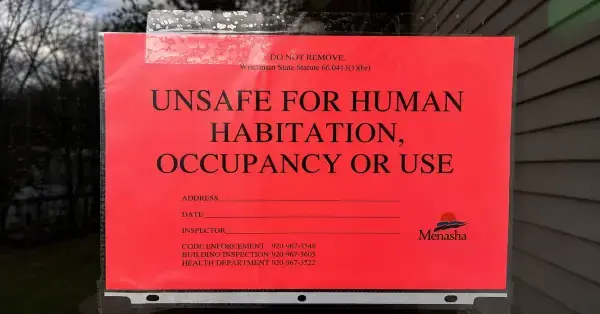
After a tornado or severe storm, learn what red, yellow, and green placards mean, what to do next, and how they may affect your insurance claim.
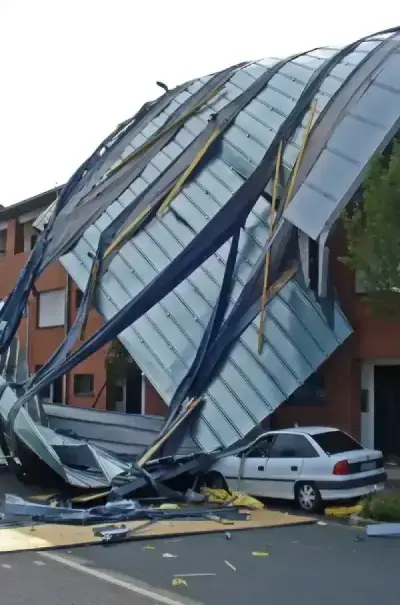
A confirmed tornado hit Menasha, Appleton on July 27, 2026. Miller Public Adjusters helping local homeowners document damage and fight lowball settlements.
Download
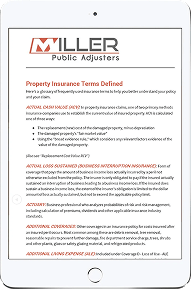
Insurance documents are often filled with confusing jargon. Our free glossary explains important terms in simple, plain language — helping you understand your p…
Download
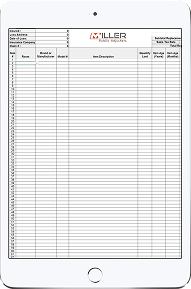
When a fire, tornado, or other covered loss destroys your home, you're expected to list everything you owned -including its age, condition, and value. Our free …
Download
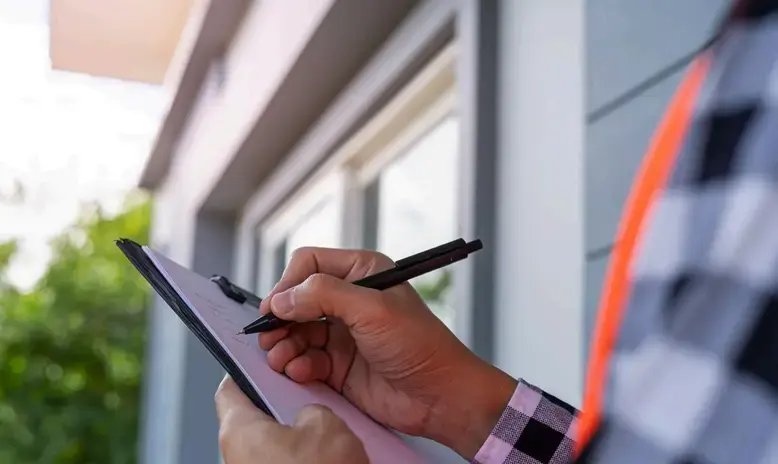
Learn how buildings are built, damaged, and rebuilt to better assess and calculate the full value of your property loss.

Free Claim Review
Start with a free review — we'll dig into your claim, explain your options, and let you know if and how we can help. No obligation, no pressure.